Why Do Plastic Products Turn Yellow Over Time?
White and clear plastics yellow as light, heat, oxygen and pollutants create colour-forming molecules. Here is the chemistry, and why the change can matter.
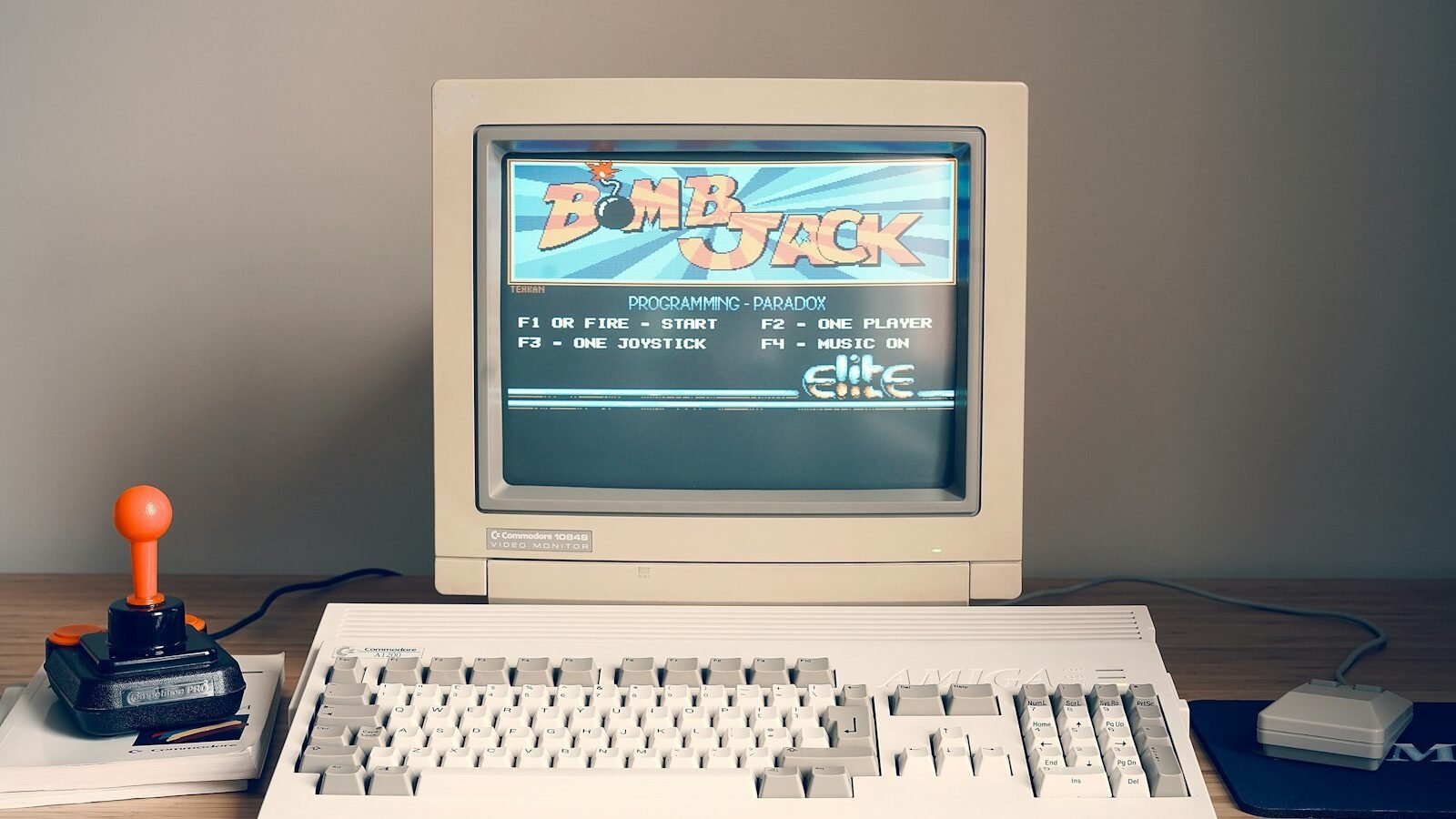
A white garden chair turns cream after a few summers. A clear polycarbonate panel takes on an amber tint. A light-coloured appliance or computer case ends up a shade of nicotine yellow. Plastics are often sold as durable, so why do so many of them change colour, sometimes even when they have been kept indoors?
The yellow tint is not dirt and not a dye fading. It is a sign that the material itself is changing at a molecular level. Understanding that chemistry explains why some plastics yellow faster than others, why manufacturers add stabilisers, and why discolouration can be an early warning that a plastic part is becoming weaker.
The short answer
- Ultraviolet light, heat and oxygen break chemical bonds in plastics and start chain reactions that create new molecular groups.
- Some of those groups, especially carbonyls, quinones and chains of alternating double bonds, absorb violet and blue light, so the material looks yellow.
- Additives can also cause yellowing: antioxidants used to protect the plastic can themselves turn into yellow quinones, for example through reaction with nitrogen oxides in the air.
- Yellowing often goes hand in hand with chain breakage, so a discoloured plastic may also be more brittle.
The basic principle: new molecules that absorb blue light
We see colour because objects absorb some wavelengths of light and scatter or transmit the rest. A fresh white or clear plastic absorbs very little visible light, so it looks white or colourless. When the polymer degrades, it forms new chemical groups that absorb light at the violet and blue end of the spectrum. Remove some blue from white light and what reaches your eye looks yellow.
These light-absorbing groups are called chromophores. Chemists sometimes refer to the yellowing products collectively as “yellow bodies”. The key question, therefore, is what creates them, and the main answers are light, heat, oxygen and the behaviour of additives.
How it works, step by step
- Light is absorbed. Ultraviolet (UV) light reaching the plastic is absorbed by chromophores already present: impurities, catalyst residues, traces of metal, small amounts of oxidised material formed during manufacture, or light-absorbing parts of the polymer itself.
- Bonds break and radicals form. The absorbed energy breaks bonds and creates free radicals, highly reactive fragments with an unpaired electron.
- Oxygen joins in. Radicals react with oxygen to form peroxy radicals, which pull hydrogen atoms from neighbouring polymer chains and create hydroperoxides plus a fresh radical. The reaction is self-sustaining.
- Hydroperoxides split. Hydroperoxides break apart easily in sunlight, producing still more radicals and speeding up the process.
- Chains break and colour builds. The reactions cut polymer chains and leave behind carbonyl groups and other chromophores. As these accumulate, the plastic yellows and its long chains become shorter, which tends to make it more brittle.
The science behind it
Why ultraviolet light is so damaging
Sunlight reaching the ground contains wavelengths from roughly 295 nm in the ultraviolet up to about 2,500 nm in the infrared. The ultraviolet portion is divided into bands:
| Band | Wavelength range | Notes |
|---|---|---|
| UV-B | 280–315 nm | The shortest part (below about 295 nm) is filtered out by the atmosphere; the rest is the most damaging to organic materials. |
| UV-A | 315–400 nm | Less energetic, but far more abundant than UV-B. |
| Visible | 400–760 nm | The light we see. |
The energy of light is inversely proportional to its wavelength. For one mole of photons:
E (kJ/mol) ≈ 119,600 ÷ wavelength (nm)
As an approximate worked example, light at 300 nm carries about 400 kJ/mol, while light at 400 nm carries about 300 kJ/mol. For comparison, the oxygen–oxygen bond in a polymer hydroperoxide is weak, at about 42 kcal/mol, or roughly 176 kJ/mol. A UV photon therefore carries more than enough energy to break it. Energy alone is not the whole story, however: light only does damage if a molecule absorbs it, which is why chromophores, even in tiny amounts, matter so much.
Photo-oxidation: a chain reaction
The process outlined in the steps above is known as photo-oxidation. A light stabiliser supplier, Ampacet, describes it as two linked stages: photolysis, in which absorbed UV breaks bonds and forms radicals, and autoxidation, a repeating cycle in which radicals react with oxygen and attack more polymer. Because each cycle produces new radicals and new hydroperoxides, a small amount of initial damage can grow over time. Reactions eventually end when radicals meet and combine, which can also link chains together (cross-linking) and further change the material’s properties.
Why the products look yellow
Several kinds of degradation product absorb blue and violet light:
- Carbonyl groups and quinones. Ketones, quinones and peroxides absorb light up to about 380 nm, and as they accumulate and combine with other structures, absorption creeps into the visible blue region.
- Conjugated double bonds. When a polymer chain develops a run of alternating single and double bonds, its absorption shifts to longer wavelengths as the run gets longer. In polystyrene, yellowing under UV has been attributed to these conjugated sequences building up along the backbone.
- Oxidised aromatic rings. Plastics containing benzene-like rings, such as polycarbonate, polystyrene, aromatic polyurethanes and epoxies, are particularly prone to UV yellowing.
Polycarbonate: a well-studied example
Polycarbonate, used for glazing, lamp covers and safety visors, has been studied closely. Research by CSIRO and RMIT in Australia summarises two main routes. Below about 310 nm, light triggers a rearrangement of the polymer’s carbonate groups, called the photo-Fries reaction, which does not need oxygen. In roughly the 290–350 nm range, photo-oxidation dominates. Products of the photo-Fries reaction can oxidise further into compounds that absorb blue light. The same study found that molecular weight fell during exposure, making the material more prone to embrittlement and surface erosion.
Interestingly, yellowness does not always increase forever. As yellow species build up, they can screen the plastic beneath from UV. Later, continued oxidation can destroy some coloured species and the material appears to bleach. That bleaching does not repair the underlying damage.
Heat and PVC
Light is not the only trigger. When polyvinyl chloride (PVC) is heated, it loses hydrogen chloride from its chains. Each loss leaves a double bond, and these form conjugated sequences. As those sequences grow, the plastic darkens through yellow to brown. The hydrogen chloride released can itself accelerate further degradation, which is one reason PVC relies heavily on heat stabilisers during processing.
When the additives are the cause
Many plastics contain phenolic antioxidants to protect them during moulding and use. These antioxidants are consumed as they do their job, and when they become over-oxidised they form quinones, which look yellow to yellowish-tan at low concentrations. Ampacet notes that nitrogen oxides from forklifts, gas or oil heaters and general air pollution can react with phenolic antioxidants in a similar way, a problem known as gas fading or warehouse yellowing. It also notes that darkness, moisture and alkaline conditions aggravate this kind of discolouration. That explains why some white plastics turn yellow in storage rather than in the sun.
Real-world applications
Because colour change is visible long before a part fails, it is widely used as a practical sign of ageing. Manufacturers fight it with additives that work in different ways:
| Stabiliser type | How it helps | Examples |
|---|---|---|
| UV absorbers | Absorb UV and release it harmlessly before it reaches vulnerable bonds | Hydroxybenzophenones, benzotriazoles |
| Excited-state quenchers | Take energy from excited chromophores before bonds break | Nickel chelates |
| Peroxide decomposers | Convert hydroperoxides into stable products | Organic phosphites |
| Hindered amine light stabilisers (HALS) | Trap radicals, interrupting the chain reaction | Various hindered amines |
| Pigments and screeners | Block or absorb light near the surface | Carbon black, titanium dioxide, zinc oxide |
Stabilisers are often combined because they act at different points in the degradation process. Carbon black is particularly effective, which is one reason black plastics generally weather better outdoors than white ones. A review of stabilisation chemistry gives an optimum carbon black content of about 3–5%, as more can reduce mechanical strength. Even so, stabilisers are consumed over time, so they slow ageing rather than stop it. The same principle of a protective layer that eventually gives way appears in metals, as our article on why rust spreads beneath paint explains.
Common misconceptions
“Yellowing is just surface dirt or nicotine”
Grime and smoke residue can certainly stain plastics, and cleaning removes them. But chemical yellowing happens within the material, so it remains after cleaning. Studies of polycarbonate describe a strongly oxidised surface layer with a yellow layer beneath it, which shows the change extends below the outer surface.
“Only sunlight causes yellowing”
UV is a major driver, but heat during processing or use, nitrogen oxides in the air and the breakdown of additives can all cause yellowing, including in the dark.
“If it is whitened again, the plastic is as good as new”
Removing the colour does not undo the chemistry that produced it. Both polycarbonate research and stabiliser suppliers note that light can bleach some coloured products without reversing the damage. Broken polymer chains stay broken.
Limitations and exceptions
- Not all plastics behave alike. Polyethylene, polypropylene and PVC are unstable without additives, while formulation, pigments and thickness make a large difference to how quickly a particular product changes.
- Colour is not a precise measure of strength. A plastic can lose strength with little colour change, and some colour changes, such as gas fading of antioxidants, may say little about the polymer itself.
- Recycled material can differ. Recycled PET is reported to yellow much faster than virgin PET, reflecting its previous heat history and impurities.
- Humidity effects are uncertain. Published studies on polycarbonate disagree about whether humidity speeds or slows yellowing.
- Safety-critical parts. If a plastic item that carries load or protects people, such as a ladder component, outdoor play equipment or protective gear, has become discoloured, chalky or crazed, treat it as a possible sign of ageing. Follow the manufacturer’s replacement guidance or ask a qualified professional to assess it.
Frequently asked questions
Why do white plastics yellow faster than black ones?
Black plastics usually contain carbon black, which absorbs UV near the surface and also mops up radicals. White plastics also show the slightest yellow tint far more clearly than dark ones.
Can plastic turn yellow without sunlight?
Yes. Heat, nitrogen oxides from combustion and pollution, and the over-oxidation of antioxidant additives can all produce yellow compounds without direct sunlight.
Is yellowed plastic weaker?
Often, though not always. The reactions that create yellow compounds frequently break polymer chains, which reduces toughness and can lead to brittleness and cracking.
How do manufacturers stop plastics yellowing?
They add combinations of UV absorbers, hindered amine light stabilisers, antioxidants and pigments, and choose polymers suited to the expected exposure. These slow the process but are gradually used up.
References
- Emad Yousif and Raghad Haddad. Photodegradation and photostabilization of polymers, especially polystyrene: review. SpringerPlus, 2013.
- G.F. Tjandraatmadja, L.S. Burn and M.J. Jollands. The Effects of Ultraviolet Radiation on Polycarbonate Glazing. Durability of Building Materials and Components 8, 1999.
- D. Braun, Deutsches Kunststoff-Institut. Thermal Degradation of Polyvinyl Chloride. IUPAC.
- Ampacet Corporation. Yellowing and Pinking of White PE/PP.
- Ampacet Corporation. Ultraviolet Light Stabilizers.
- SpecialChem. Why Does Plastic Turn Yellow? Prevention is Better than Cure.
Header photo: Dan Counsell on Unsplash.